What To Wear When It's Warm By Day And Cold By Night
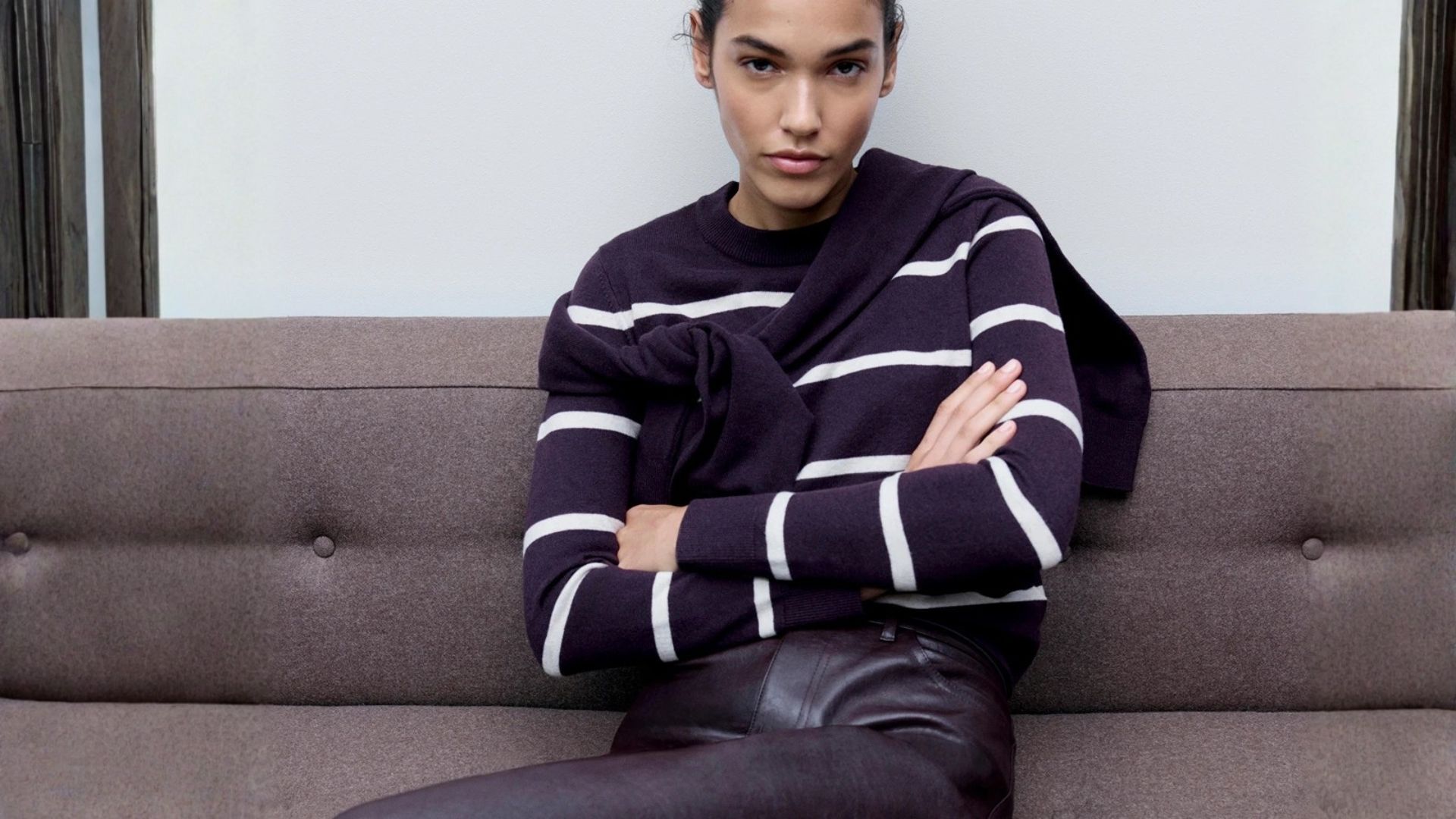
Image by: Marks & Spencer
What to wear when days are warm but evenings turn cold, from clever base layers and cardigans to light jackets, trousers and transitional shoes.
September can make getting dressed feel like packing for two different holidays. You leave the house wishing you'd worn a lighter top, spend lunchtime looking for the shady table and then, somewhere around six o'clock, discover that bare arms were an extremely optimistic decision.
The temptation is to dress for whichever temperature is bothering you when you get ready. On a chilly morning, that means knitwear you'll regret by noon. On a sunny one, it means spending the evening with your arms folded tightly across your chest.
There is a better way to dress for warm days and cold nights: dress for the warmest part of the day, then carry the cold-weather part of the outfit with you. The most useful transitional outfits are built from thin layers that work independently, rather than one substantial piece that is either on or off.
Think of it as a three-part outfit: something breathable against the skin, something soft for warmth and one light outer layer if the forecast requires it. Crucially, all three need to look intentional when worn separately.
Start With A Base Layer You're Happy To Seen In
This is where transitional dressing often goes wrong. If the T-shirt underneath your jumper was only ever intended to be underwear, taking the jumper off at 1pm isn't much of a solution.
Instead, make the bottom layer a proper part of the outfit. A good cotton long-sleeved T-shirt works well because you can push the sleeves up when it is warm and pull them down as the temperature drops. A relaxed cotton or linen shirt does something similar: wear it buttoned in the morning, open over a vest later, then put your jacket over the whole thing at night. In our opinion, the very best base layer for changeable weather is not necessarily the thinnest one - it is the piece you would be perfectly happy wearing after everything else has come off.
Make The Cardigan Your Temperature Control
A cardigan is almost absurdly well suited to this time of year. Unlike a jumper, it doesn't force an all-or-nothing decision. Wear it open when you need a little warmth, button it when the temperature drops properly and take it off without disturbing the rest of the outfit when the sun appears.
Fine merino is especially useful because it provides considerable warmth without the bulk of a chunky knit. Cotton works well if you run warm or are still spending most of the day in sunshine - heavyweight jacquard cardigans as favoured by luxury brand Hayley Menzies are a true investment piece to help you stave off a jacket a little longer. What we'd avoid for now is the substantial winter cardigan that fills half your bag and makes sense for approximately 40 minutes of the day. If you only buy one piece specifically for this awkward stretch between summer and autumn, a fine cardigan probably has the best cost per wear. It can be your top now, a middle layer in October with a vest and indoor knitwear all winter long.
Choose A Jacket You Can Actually Carry
The coat that feels reassuring at 8am can become a burden by lunchtime. Early-autumn outerwear works better when it is light enough to fold over your arm, drape over a chair or put into a generous tote. A short trench is a particularly good option because it gives a summer outfit some autumn structure without the weight of a proper winter coat. A light rain jacket (not a want, but a need in UK climates) makes more sense for walking, travel and uncertain forecasts, while a cropped wool or waxed jacket can take over on dry days when you want something smarter.
The important distinction is between wind protection and insulation - and you will care when it's time. On many cold September evenings, stopping the breeze is all you need. Save the padded coat for the point at which you actually need the extra oomph.
Keep The Bottom Half Seasonally Neutral (For Now)
One of the easiest ways to make this weather harder is to wear an outfit that belongs emphatically to one season. Thick wool trousers can feel oppressive in afternoon sunshine; very summery shorts or a flimsy skirt leave you trying to compensate with increasingly elaborate layers on top. Denim, cotton trousers and lighter tailoring occupy the useful middle ground. They provide enough coverage once the sun disappears without making a warm afternoon uncomfortable. An ankle-length trouser is a good choice now because a little exposed ankle makes a covered leg feel lighter and works equally well with trainers, ballet flats and loafers.
Colour helps too. Chocolate, olive, navy, ecru and darker denim make cotton and other lighter fabrics feel more autumnal without requiring heavier cloth. The easiest way to move a summer-weight wardrobe into autumn is often to change its colour before you change its weight.
Put Away The Sandals Before You Put Away The T-Shirts
Shoes can do a surprising amount of seasonal work. A white shirt and jeans with sandals still reads as summer; the same clothes with a brown suede loafer suddenly make sense in September.
This is why we'd change footwear before abandoning lighter clothes altogether. Loafers, slim trainers and ballet flats cover more of the foot but don't have the visual or physical weight of boots. They also work with bare ankles now and socks later, extending the life of the trousers, skirts and dresses you are already wearing. Brown, burgundy and suede are especially effective if you want an outfit to feel more autumnal without adding another layer. You don't have to be warmer everywhere simply because the calendar has changed.
Keep One Small Layer In Your Bag
Not every temperature drop warrants yet another item of clothing. Sometimes the difference between feeling comfortable and wishing you'd brought a coat is simply having something a little neck jewellery - yep, the humble scarf.
A lightweight wool or cashmere scarf is more useful at this point in the year than the enormous blanket versions that come later. It takes up little room, adds warmth exactly where you notice a chill and can make a shirt, cardigan or trench feel considerably cosier after dark. A silk scarf won't provide the same insulation, but it is useful on milder days and can be tied onto a bag when you don't need it. This is also the point at which a larger handbag earns its place. If your outfit depends on being able to remove a cardigan at midday, you need somewhere to put it. A lightweight tote that can accommodate a folded knit without becoming cumbersome is part of the layering system rather than an afterthought.